

Mid Taper Haircut Guide: Styles, Tips & Maintenance
The mid taper is a clean, versatile cut that suits many hair types and occasions. This guide explains how it differs from fades and other tapers, and how to get and maintain the look.
In this guide, you’ll learn how a mid taper differs from fades and other taper styles, explore popular ways to wear it, and find out what to ask your barber. We’ll also cover simple maintenance tips to help keep your cut looking sharp.
🎧 Listen to this guide
What Is a Mid Taper Haircut?
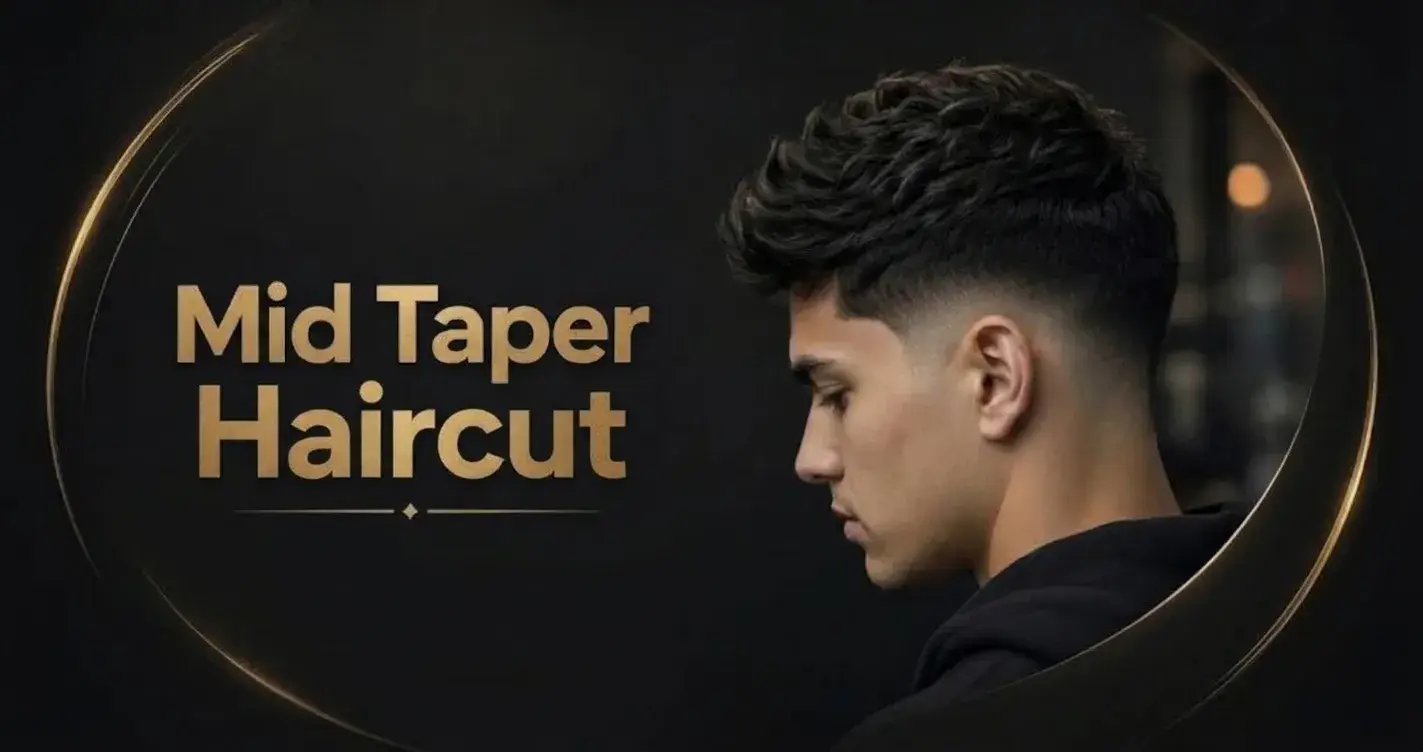
A mid taper haircut gets its name from how the hair narrows in length as it moves down the head. The change begins at temple height, which keeps the look sharp without being as bold as a high taper. Because the top stays as long as you like, the cut works with short, medium and long styles.
What Is a Mid Taper Fade?

A mid taper fade is a mid taper where the sides and back blend gradually from short hair down to skin, starting at the temple, about halfway up the head. The “fade” simply describes that smooth gradient. It looks clean and sharp, but is more subtle than a high fade.
Taper, Fade, and Mid Taper Fade: What’s the Difference

Barbershops may use taper and fade differently, so the terms can vary by barber or region. In general, a taper gradually shortens the hair around the temples and neckline while leaving some hair visible at the edges. A fade blends the hair shorter—sometimes down to bare skin—for a sharper contrast.
A mid taper starts around the temples and gradually gets shorter toward the sideburns and neckline. It keeps some length at the edges, creating a subtle, natural-looking blend.
The term mid taper fade is less consistent. Some barbers use it for a mid-height taper with a closer finish at the edges; others may mean a mid fade. To avoid surprises, show your barber a reference photo and say how short you want the hair at the sideburns and neckline.
Mid Taper vs. High Taper

A high taper starts higher on the sides of the head. This usually creates more contrast and a bolder, more noticeable look.
A mid taper starts lower, which tends to give a softer, more versatile result that works in most everyday settings.
Mid Taper vs. Low Taper

A low taper begins near the ears and neckline, so it is the most subtle of the three. It suits people who want a very understated shape that barely changes their usual look.
A mid taper sits in between. It shows more shaping without being as bold as a high taper, which makes it a safe middle ground.
Mid Taper vs. Low Fade

A low fade starts low on the head and usually goes very short, often to skin, near the bottom. The effect is sharp and clearly visible from the side.
A mid taper keeps more length and changes more gradually, so the blend looks softer and more natural.
Which Holds Its Shape Longer: A Taper or a Mid Fade?
A mid taper often holds its shape a bit longer. Because the sides keep some length, regrowth tends to be less obvious and the outline stays neat for more days.
A mid fade usually goes shorter, so the contrast can look grown out sooner. How quickly this happens depends on how fast your hair grows and how short the fade goes.
How to Find the Mid Taper That Suits You Best
Start with your hair type, then think about your face shape. Use the tables below as starting points and choose what feels right for you.
| Hair Type | Why It Works | Best Mid Taper Styles |
|---|---|---|
| Straight | Highlights clean lines and holds a sharp part | Side Part, Slick Back, Comb Over, French Crop |
| Wavy | Adds natural movement on top | Textured Top, Quiff, Flow |
| Curly | Curls stay controlled against tidy sides | Blowout, Textured Fringe, Mullet |
| Coily | Adds texture and volume on top | High-Top, Twists, Waves |
| Locs | Contrast nicely with cleanly tapered sides | Mid Taper with Dreads |
| Face Shape | What Helps | Styles to Try |
|---|---|---|
| Rounder | Height on top can balance the face | Quiff, Slick Back |
| Longer | Side volume may suit the face | Textured Fringe, Blowout |
| Square | A softer, textured top balances a strong jawline | Textured Top, Side Part |
| Oval | Suits most lengths and textures | Comb Over, Quiff, French Crop |
Every face and head is different, so show your barber a photo and adjust the length on top to suit you.
Professional and Everyday Mid Taper Styles
These polished styles pair a mid taper with a neat, structured top that works at the office, at weddings, and in your everyday routine. They are easy to style and easy to keep up, which makes them a safe place to start.
Classic Mid Taper

The classic mid taper gradually shortens the sides while keeping the top neat and easy to manage. It suits offices, weddings, and weekends, making it a reliable choice if you’re unsure which style to try.
Mid Taper Side Part

The side part is a classic, polished look. A defined parting line adds structure and gives the top a clear direction, which suits formal outfits. It also keeps the hairstyle neat and balanced throughout the day.
Mid Taper Middle Part

A middle part splits the hair evenly down the middle. The tapered sides stay tidy, so the part stands out and the whole look feels balanced. This style creates a clean, symmetrical appearance that pairs well with both casual and formal outfits.
Mid Taper Comb Over

The comb over is a timeless style with a modern update. A defined part and shorter sides make it look sharp and professional. It can suit finer or thinner hair, since the top is swept into a neat shape that adds the look of fullness.
Mid Taper Slick Back

Here the hair is combed straight back from the forehead. The tight tapered sides keep the longer top smooth and in place, so the style holds up well at formal events and shows off the face with a confident, open look.
Mid Taper Mod Cut

The mod cut has a neat, structured top with a clean fringe and tapered sides. This tidy shape gives the haircut a sharp, balanced look with a subtle vintage feel. It works well for everyday wear and is easy to keep looking polished.
Mid Taper Crew Cut

The crew cut keeps the top short and fairly uniform. Combined with a taper, it looks clean, athletic, and practical for busy people who want to get ready quickly.
Mid Taper with Buzz Cut

A buzz cut with tapered sides keeps the top short and even while the sides gradually shorten. It is easy to maintain, but it shows your head shape clearly, so ask your barber to start slightly longer on the first visit.
Mid Taper French Crop

The French crop has a short, textured fringe cut straight across the forehead. It is neat, modern, and fairly low-maintenance. Paired with a taper, it gives a sharp look for little styling effort.
Textured, Trendy and Bold Mid Taper Styles
Ready to switch things up? These textured and trendy styles pair a mid taper with volume, fringe, or extra length on top. The clean tapered sides keep the shape sharp, so even the boldest looks stay wearable.
Mid Blowout Taper

This style pairs a taper with a voluminous, blow-dried top, lifted and shaped with a dryer and brush for fullness and movement. The result looks relaxed but modern, especially on thick hair that holds its shape well.
Mid Taper Textured Top

A textured top uses choppy layers for movement and depth. The tapered sides keep the overall shape defined, even when the top looks messy on purpose. This contrast gives the haircut a relaxed, modern feel while maintaining a neat outline.
Mid Taper with Fringe and Texture

A textured fringe paired with tapered sides gives a relaxed look with clean edges. A little matte clay or sea salt spray adds movement, and the tapered sides keep the shape tidy throughout the day.
Mid Taper Quiff

The quiff lifts the front of the hair into a raised peak. The slim tapered sides help the volume stand out and keep the head shape balanced. It brings a retro feel to a modern cut.
Mid Taper Flow

Flow hair is longer and swept back or to the side. The taper keeps the sides controlled so the length looks deliberate rather than overgrown. This style is a good fit if you like a longer top and still want a neat outline.
Mid Taper Undercut

An undercut keeps the top noticeably longer than the sides, so it is often called a disconnected cut. The mid taper softens that gap with a gradual transition, which looks more natural and works well with slick backs, quiffs, and textured tops.
Mid Taper Edgar

The Edgar cut pairs a straight, blunt fringe with sharp edges. The taper keeps the bold shape crisp and defined from every angle. Its clean outline gives the style a modern, distinctive look.
Mid Taper Warrior Cut

Definitions of the warrior cut vary, but it generally means short sides with a strong, structured top. The taper adds a controlled transition between the two lengths.
Mid Taper Mullet

A mullet keeps the hair longer at the back than on the sides and top, and the taper tidies the sides while keeping that distinct shape. Moisturizing products help define curls, while a little texture spray adds grip to straight hair. It’s a good pick if you want a current style that still feels wearable.
Mid Taper Variations
Not every mid taper is shaped the same way. These variations change how the taper curves, how short it goes, and how the neckline finishes, so you can pick the exact look that suits your head shape and style.
Mid Burst Taper

The burst taper curves around the ear in a semicircle and leaves more length at the back. This creates a distinctive shape that stands out from a standard cut. The contrast adds a bold, modern touch while keeping the sides neatly shaped.
Mid Drop Taper

The drop taper curves lower behind the ear instead of running straight around the head. This follows the natural shape of the skull and gives the cut a smooth, flowing line.
Mid Skin Taper

A skin taper, often called a bald taper, goes down to bare skin at the lowest point, which puts it close to a fade. It gives strong contrast with the longer hair above and a bold, clean finish.
Mid Taper No Fade

Some people want shaping without any skin showing. A no-fade taper keeps hair on the sides and back, just shorter toward the bottom, for a softer and more conservative look.
Mid Taper with Rounded Back

A rounded back finishes the neckline in a soft curve instead of a straight line. Many people find this grows out more evenly than a squared-off neckline, so it looks tidy for longer.
Mid Taper with Softened Hairline

A softened hairline uses a light front taper to shorten the hair near the forehead and temples. This takes the edge off the outline, flatters the face, and keeps the hairline looking neat.
Mid Taper Add-Ons: Line-Ups, Beards and Hair Designs
A mid taper looks even better with the right finishing touches. These add-ons, from a crisp line-up to a blended beard or a custom design, sharpen the cut and make it feel personal.
Mid Taper with a Line-Up

A line-up sharpens the hairline across the forehead and temples. It creates a crisp frame for the face and makes the haircut look freshly done. This clean detail pairs well with many taper styles and helps define the overall shape.
Mid Taper with a Beard

A taper can blend directly into a beard for a seamless transition from hair to facial hair. The look feels balanced when both are kept trimmed and shaped. Ask your barber to match the beard length to the taper so the blend looks natural.
Mid Taper with Hair Designs

Hair designs such as razor lines or a hard part add personality to a mid taper. They need a skilled barber and regular touch-ups because the lines soften as the hair grows.
Mid Taper Haircuts for Every Hair Type and Length
A mid taper works with straight, wavy, curly, and coily hair, and with short, medium, or long tops. Only the sides and back are tapered, so the top can match your hair type, your routine, and the amount of time you want to spend styling.
Mid Taper with Wavy Hair

Wavy hair adds natural movement and texture on top of a mid taper, while the tapered sides keep the outline clean. Ask your barber to leave enough length for the waves to show, and use a light cream or sea salt spray to define them.
Mid Taper with Straight Hair

A mid taper with straight hair creates a clean, sharp look while keeping the sides and neckline neat. The longer top can be styled with a side part, textured fringe, or slick back to suit your personal style.
Mid Taper with Dreads

Dreadlocks on top contrast nicely with cleanly tapered sides, creating a neat, well-groomed look. This style works with different loc lengths while keeping the temples and neckline tidy.
Mid Taper for Black Men

A mid taper keeps the sides neat while leaving room on top for coils, twists, waves, or a high-top. For coily or curly hair, regular moisture and a sharp line-up can help the cut look its best and stay healthy.
Mid Taper with Curly Hair

Tapered sides keep things controlled while curls on top hold their natural shape. Tell your barber how much length to leave, since curls look shorter when dry, and moisturize regularly to keep them defined and healthy.
The Barber’s Guide to Crafting the Perfect Mid Taper
Every barber works a little differently, but the process is usually similar. Here is how a typical cut comes together:
1. Assess your head shape and hair. The barber studies your head shape, hairline, and growth patterns before cutting, since these decide where the taper should start.
2. Set the guideline. They mark a line around the temple area to show where the taper begins, keeping it level on both sides.
3. Cut with clippers and guards. They work down the sides and back, moving to gradually shorter guards toward the bottom.
4. Blend the transitions. Scissors, a comb, or a shorter guard smooth out any visible lines between lengths.
5. Detail the edges. They finish by cleaning up the neckline and sideburns for a crisp result.
Tip: A good blend moves smoothly from the sides into the back so the shape looks even from every angle. Check the neckline and the blend in a mirror before you leave the chair, using a hand mirror for the back.
How to Tell Your Barber Exactly What Mid Taper You Want
Clear communication helps prevent disappointment. Bring a photo and use specific terms rather than vague descriptions, because words like “short” mean different things to different people. Say how short you want the sides to finish and how much length to keep on top. A few precise details make a big difference to the final result.
Specify the Edge Details
Tell your barber whether you want a sharp line-up or a softer, natural edge. Also mention your sideburns, temples, and neckline so nothing is left to guesswork.
Choose the Top Length
Decide roughly how much length you want on top before you sit down. Guard numbers or a finger-width measurement can help your barber understand exactly what you mean.
Describe the Back Shape
The back can be blocked, rounded, or tapered, and each shape gives the haircut a different finish. A blocked neckline creates a sharp, squared edge, while a rounded shape looks softer and more natural. A tapered neckline blends gradually into the skin for a clean, subtle finish.
I’d like a mid taper. Start the taper at the temple, keep short stubble (around a #1) at the sideburns and neckline, and leave about 3 inches on top. Finish the back with a rounded neckline and blend the transitions smoothly.
How to Maintain Your Mid Taper
Refresh your mid taper every three to four weeks, depending on your hair growth and preferred look. Regular washing, scalp care, and small touch-ups help keep it sharp between visits.
How often you need a refresh depends on how short the sides go and which finishing touches you add. Use these ranges as a guide.
| Style | Refresh Every | Why |
|---|---|---|
| Classic mid taper | 3-4 weeks | Sides keep some length, so regrowth shows slowly |
| Mid taper, no fade | 4 weeks | Softer finish hides regrowth for longer |
| Mid skin taper | 2-3 weeks | Bare skin edges grow out fastest |
| Mid taper with a line-up | 2-3 weeks | Crisp hairline edges soften quickly |
| Mid taper with a beard | Haircut every 3-4 weeks, beard trim every 1-2 weeks | The blend looks off when the beard grows ahead of the taper |
| Mid taper with a hair design | 2 weeks | Razor lines blur as the hair grows |
Wash and Condition the Right Way
Wash your hair two to three times a week, or more often if you use a lot of product or sweat a lot. Use a gentle shampoo, and add a conditioner if your hair is curly or dry. Rinse well, since leftover product can leave the scalp itchy and the sides looking dull.
Keep Your Scalp Moisturized
Shorter sides expose more skin, so dryness can show quickly. A light moisturizer or scalp oil after washing may help keep the skin comfortable.
Use the Right Styling Products
Match your products to your hair type and style. Matte clay suits many textured tops, while pomade is a common choice for slick backs. Avoid heavy products that weigh hair down or leave residue, and use only a small amount at a time.
Clean Up Between Visits
Between haircuts, ask your barber for a quick neckline or line-up cleanup in week two or three. At home, only tidy the neckline and sideburns with a small trimmer, and leave the taper itself to your barber.
Common Mid Taper Mistakes to Avoid
A few small mistakes can spoil a good haircut.
– Asking for a number instead of a shape. Guard numbers differ between clippers, so describe where you want the length to start and end.
– Skipping the mirror check. Always look at the sides and back before you pay.
– Using too much product. A pea-sized amount is enough for short hair, and you can add more if needed.
– Waiting too long between visits. The sharp shape fades as hair grows, so regular trims keep the look intentional.
FAQs, Frequently Asked Questions
Final Thoughts on the Mid Taper
The mid taper is a flexible, easy-to-wear cut that adapts to your hair, your face, and your daily routine. Whether you prefer a classic mid taper or a bold style with a mullet or quiff, the key is to talk clearly with your barber, check the blend before you leave, and keep up with regular trims and scalp care.
Alex Carter
Alex Carter is a men’s grooming and hairstyle enthusiast specializing in modern haircuts, mid taper fades, and men’s styling trends. He shares expert-inspired tips to help men look confident and stylish.
